Geography and its deep meaning
(Alex. Dugin) La telurocracia también tiene sus propias formas particulares. Se puede distinguir entre la civilización de la estepa y la civilización del bosque, la civilización de las montañas y la civilización de las llanuras, la civilización del desierto y la civilización del hielo. En geografía sagrada, las diversas variedades de paisajes se entienden como complejos simbólicos vinculados a las particularidades del estado, las ideologías religiosas y éticas de los diferentes pueblos. Incluso en los casos en que se trata de una religión universalista y ecuménica, su encarnación concreta en un pueblo, raza o estado determinado estará sujeta a la adaptación al contexto geográfico-sagrado local. Los desiertos y las estepas representan el microcosmos geopolítico de los nómadas, y es precisamente en los desiertos y las estepas donde la tendencia telurocrática alcanza su punto álgido, ya que el factor «agua» está mínimamente presente. Por lo tanto, los imperios del desierto y la estepa deberían ser lógicamente los trampolines geopolíticos de la telurocracia. Como ejemplo de un imperio de la estepa, se podría considerar el Imperio de Gengis Kan. Un ejemplo típico de imperio del desierto fue el Califato Árabe, que surgió bajo la influencia directa de los nómadas.
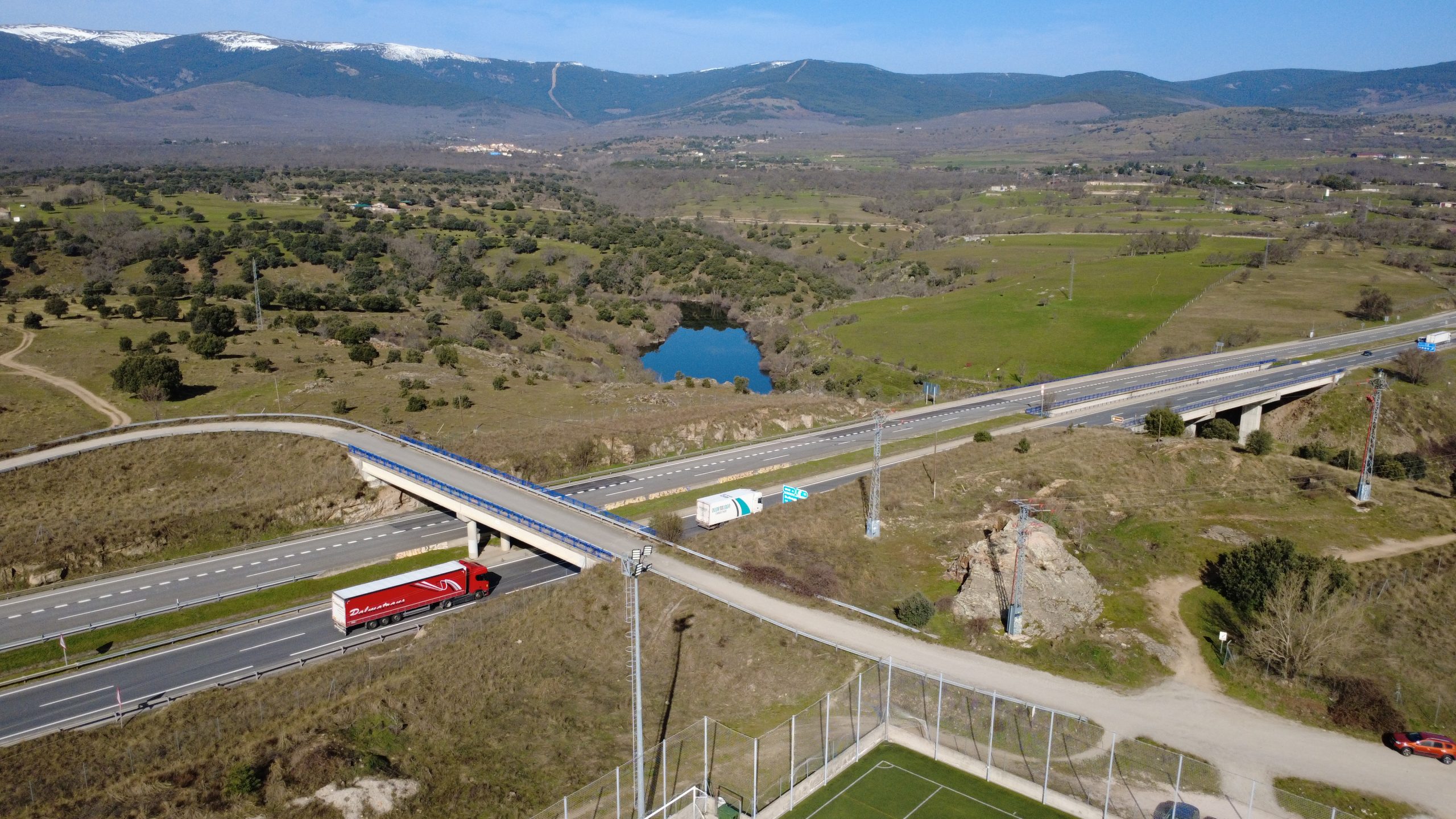
Las montañas y las civilizaciones de montaña suelen ser arcaicas y fragmentarias. Los países de montaña generalmente no son fuentes de expansión; de hecho, tienden a acumular las víctimas de la expansión geopolítica de otras fuerzas telurocráticas. Ningún imperio tiene su centro en una región montañosa. De ahí la máxima, a menudo repetida, de la geografía sagrada: «las montañas están habitadas por demonios». Por otro lado, la idea de que las montañas pueden conservar las huellas residuales de razas y civilizaciones antiguas se refleja en el hecho de que es precisamente en las montañas donde se ubican los centros sagrados de la Tradición. Incluso podría decirse que las montañas corresponden a algún tipo de poder espiritual en la telurocría.
La combinación lógica de ambos conceptos —la montaña como modelo hierático y el desierto como modelo regio— da lugar al simbolismo de la colina, es decir, una altura pequeña o media. La colina simboliza el poder imperial que se eleva por encima del nivel secular de la estepa, pero no alcanza el límite del poder supremo como ocurre con las montañas. Una colina es morada de un rey, un conde, un emperador, pero no de un sacerdote. Las capitales de todos los grandes imperios telurocráticos se ubicaban sobre una o varias colinas (a menudo sobre siete colinas —el número de los planetas— o sobre cinco —el número de elementos, incluido el éter—, etc.).
The two essential concepts of geopolitics are Land and Sea. It is these two elements – Land and Water – that lie at the root of humans’ qualitative imagination of earthly space. In experiencing land and sea, earth and water, man enters into contact with the fundamental aspects of his existence. Land is stability, gravity, fixity, space as such. Water is mobility, softness, dynamism and time.
These two elements are, in their essence, the most obvious manifestations of the material nature of the world. They stand outside of man: everything is heavy and fluid. They are also inside him: in the body and blood. The same is the case at the cellular level.
The universality of the experiences of earth and water yields the traditional concept of the Firmament, since the presence of the Higher Waters (the source of rain) in the sky also implies the presence of a symmetric and necessary element – earth, land, the celestial vault. All together, Earth, Sea and Ocean are in essence the major categories of earthly existence, and it is impossible for mankind not to see in them some of the foundational attributes of the universe. As the two basic terms of geopolitics, they preserve their significance for both civilizations of a traditional kind and for exclusively modern states, peoples and ideological blocs. At the level of global geopolitical phenomena, Land and Sea generate the terms Thalassocracy and Tellurocracy, i.e., “power by means of sea” and “ power by means of land” – Sea Power and Land Power.
The strength of any state or empire is based upon the preferential development of one of these categories. Empires are either thalassocratic, or tellurocratic. The former implies the existence of a mother country and colonies, the latter a capital and provinces on “common land.” In the case of thalassocracy, its territory is not unified into one land space, which creates an element of discontinuity. The sea is both the strength and weakness of thalassocratic power. Tellurocracy, on the contrary, boasts the quality of territorial continuity.
Geographical and cosmological logic at once complicate this seemingly simple model of division: the pair of “land-sea”, by reciprocal superimposition of its elements, gives birth to the ideas of “maritime land” and of “land-water”. The maritime-land is an island, i.e., the base of maritime empire, the pole of thalassocracy. “Land-water” or water within land means rivers, which predetermine the development of overland empires. On the river we find the city, the capital, the pole of tellurocracy. This symmetry is symbolic, economic and geographical all at once. It is important to note that the statuses of Island and Continent are defined not so much on the basis of physical magnitude as by the peculiarities of the consciousness typical of their populations. Thus, the geopolitics of the US is of an island nature despite the dimensions of North America, whereas the island of Japan geopolitically represents the continental mentality, etc.
One more detail is relevant: historically, thalassocracy is linked to the West and the Atlantic Ocean, whereas tellurocracy is associated with the East and the Eurasian continent. The above-mentioned example of Japan is explained, thus, by the stronger “attractive” effect of Eurasia.
Thalassocracy and Atlanticism became synonyms long before the colonial expansion of Great Britain or Portuguese and Spanish conquests. Long before the first sea migration waves, the peoples of the West and their cultures had already begun their shift to the East from their centers located in the Atlantic. The Mediterranean was also mastered from the Gibraltar to the Middle East, and not the other way around. Meanwhile, excavations in Eastern Siberia and Mongolia demonstrate that ancient pockets of civilization once existed there, which means that none other than the central lands of the continent were the cradle of Eurasian mankind.
The Symbolism of Landscape https://alexanderdugin.substack.com/p/from-sacred-geography-to-geopolitics?utm_source=substack&utm_medium=email&utm_campaign=email-restack-comment&r=21j11i&triedRedirect=true